.webp)


A corporate party often needs to serve more than one mood. Guests may want to network at the start, celebrate an achievement later and finish the night dancing. A DJ and sax duo can move with those changes.
The DJ provides the musical range. A good open format set can bring together familiar favourites, current tracks and styles that reflect the people in the room. The saxophonist adds the energy and connection of live performance at moments when it makes the biggest difference.
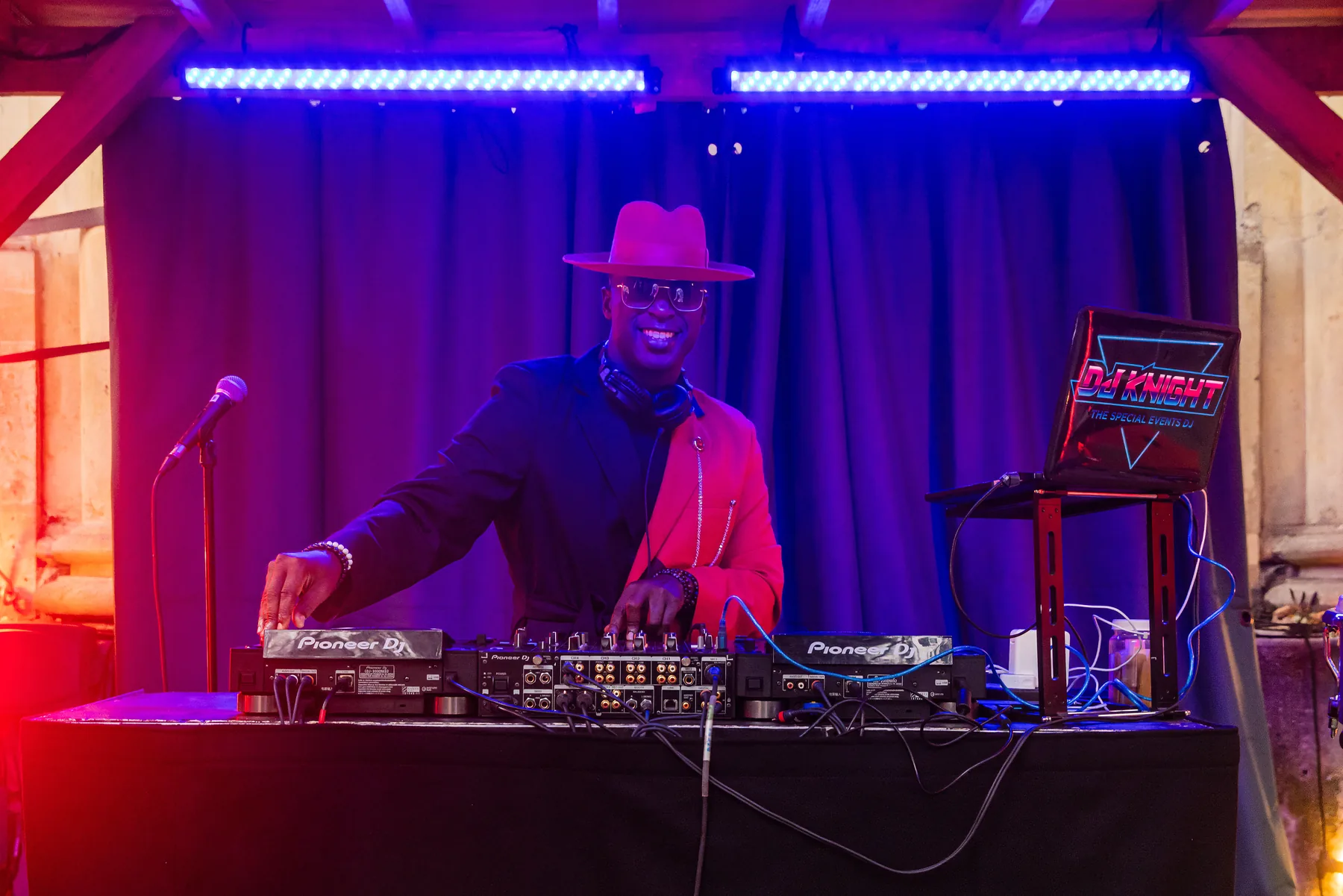
At a company event in The Garden at One Marylebone, The DJ Knight Music DJ and sax duo was booked. It is a useful example of an entertainment format that can feel substantial while remaining adaptable. The performance can be planned around speeches, food service and the transition into a party, with the precise approach agreed for each event.
For organisers, the question is less “DJ or live music?” and more “What should guests feel at each stage?” Once that is clear, we can shape a music brief, discuss timing and assess what sound equipment the venue provides.
The difference is in the transitions
Corporate events often have moments that need attention and moments that should recede into the background. A speech needs a clean pause. Dinner needs space for guests to talk. Later, a party may need a stronger beat and a recognisable song to bring people together. A duo works best when those transitions are agreed with the organiser, rather than treating the evening as one continuous performance at a single intensity. The DJ can maintain an appropriate soundtrack across the event, while the saxophonist appears at points where live performance adds something tangible.
Think about the guests, then the genres
One department might love house music; another may respond to pop, funk, R&B or familiar party favourites. A corporate event often mixes employees, clients, leadership teams and partners. Instead of assuming one style will please everybody, it helps to establish the age range and broad music preferences, whether international guests are attending and how formal the event should feel. A short list of must plays and do not plays is useful, but it is also important to leave room for the DJ to read the response on the night. That is one of the main reasons companies choose a DJ-led format.

Questions to ask before securing the date
Ask whether the performance time includes a reception as well as dancing. Check what equipment is included in the proposal and what the venue already provides. Confirm access and soundcheck windows, who is supplying a microphone for announcements, and whether speeches are scheduled. If there are restrictions on sound levels, share those early. Finally, decide whether sax is an intermittent feature or the central entertainment moment. Clear answers help the musicians prepare properly and help you compare quotations on the same basis. The Garden at One Marylebone is one example of the duo in a company event setting; the right plan for your venue will be specific to your programme.
If you are comparing options for a forthcoming event, describe the atmosphere in plain language. “Relaxed at first, then a proper celebration” gives us more direction than a long list of unrelated genres. We can translate that intention into a running order and discuss when live sax should be heard most clearly.
Party DJS FAQs


The saxophonist adds a live performance element to selected tracks while the DJ keeps the music flowing and adapts the set.
The live sections depend on the agreed performance format and schedule. We can discuss when sax will have the greatest effect.
Yes. Share favourite tracks, preferred genres and any songs to avoid. The DJ can use that brief while responding to guests on the night.
DJ Knight Music offers the finest DJs, musicians and event production services throughout the UK and abroad.
 Click Here To Make Quick Enquiry


